“You’re not only in the Army. You’re women, and you’re Negroes. And because you’re Negroes and women, you don’t have the luxury to be as good as the white soldiers. You have the burden to be better.”
What does it mean to be a hero? Is it legacy? Is it glory? Is it respect? Too often in this country’s history, moments of true heroism are hidden from the public. However, this doesn’t hide the true courage of their actions. If anything, it makes them all the more commendable. This was the case of the 6888th Battalion of the U.S. military, a group of African American women who dared to do the impossible with the selfless expectation of nothing in return.
Tyler Perry’s “Six Triple Eight” shares those women’s stories. Starring Kerry Washington and Ebony Obsidian, this film exemplifies the courage and determination behind the curtain in the final years of World War II.
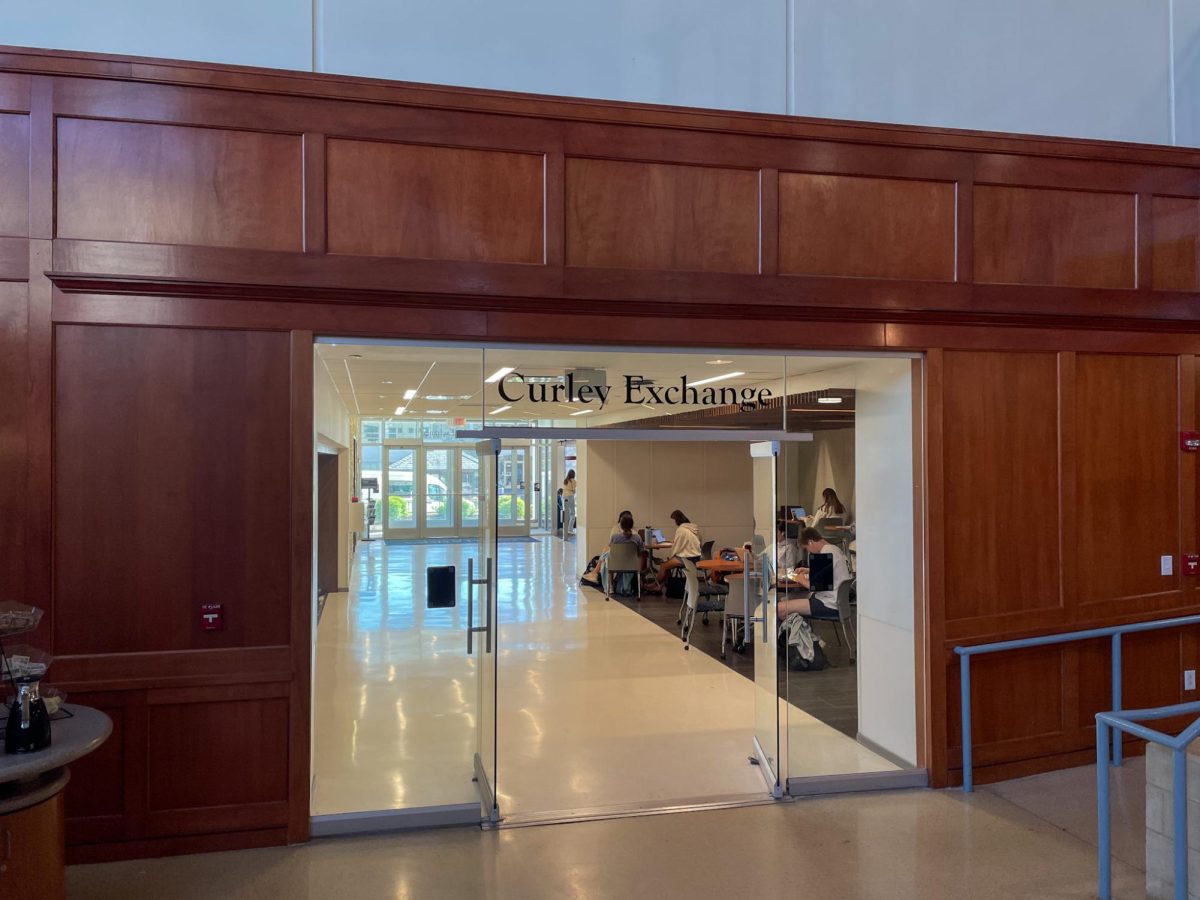
On Wednesday, March 18, in Bartley Hall, the UNITAS Office of Community Engagement and VSB Dean’s Undergraduate Student Advisory Council (DUSAC) hosted a screening of “Six Triple Eight,” part of a series of film screenings exploring identity, equity and current and historical issues. Administrator Zakiya Elliott and student Ataya Jenkins, who were organizers for this event, believe in the incredible power of sharing these stories to celebrate Women’s History Month.
The story is introduced by Lena, an African American young woman who is grieving her friend and love lost in the war. When Lena decides to enlist in the Army, she is sent to a U.S. training camp for African American men and women in Georgia. Here, she meets her training officer, Captain Charity Adams (Kerry Washington), who strengthens both the bodies and spirits of these young women, preparing them for what lies ahead: disrespect, scrutiny and the requirement to make the impossible possible.
During this time, the American Army was facing a serious issue overseas. Letters were not being received by or sent from soldiers and their loved ones, meaning morale was devastatingly low during a desperate time of war. Several other battalions were sent to do the job, yet it was deemed logistically impossible.
Eventually, the 6888th Battalion was given the task, with nothing but the expectation of failure. It was given only six months to get to Europe, create a post office and sort out more than two years of undelivered mail in horrible and dangerous conditions. During this time, this group showed unmatched determination, intelligence and consistency to accomplish their goal, ultimately delivering an astonishing 17 million pieces of mail in just 90 days.
However, this historical moment was left unrecognized for decades until First Lady Michelle Obama honored these women in 2009.
This film acts as a beautiful and much-needed dedication to share their story and honor their powerful commitment to their country.
Elliott acknowledged the added significance of sharing this story in the Villanova Business School, a predominantly white and male environment.
“It’s important to bring awareness to cultures that may not necessarily be brought to the forefront in the classroom, or even around events in the building,” Elliott said. “At least we get to lean on the fact that we have heritage months to celebrate these select populations.”
This event explores just one example of extraordinary actions by women throughout history that are often hidden from the spotlight. Throughout our lives, as we walk through homes, schools and future careers, don’t forget to acknowledge the great women who improve our world.
If a story as remarkable as the 6888th Battalion spent decades being overlooked, imagine how many others remain untold. Honoring these women doesn’t just help us remember the past but also inspires us all to change the definition of heroism moving forward.
True heroes don’t wait for legacy, glory or even respect. They forge their own paths to change the world, even when they are left out of the history books.