One would think that after spending a long time at Villanova, choosing where to eat would get easier. If anything, it gets worse. The options expand, the opinions grow stronger, and suddenly a simple dinner plan turns into a full-blown debate. Somewhere between the third time asking where everyone wants to go and someone inevitably suggesting the same overdone option, the night starts to lose momentum. Opinions clash, and group chats stall.
This is exactly where Beli comes in, not by eliminating the chaos, but by making it a lot more entertaining.
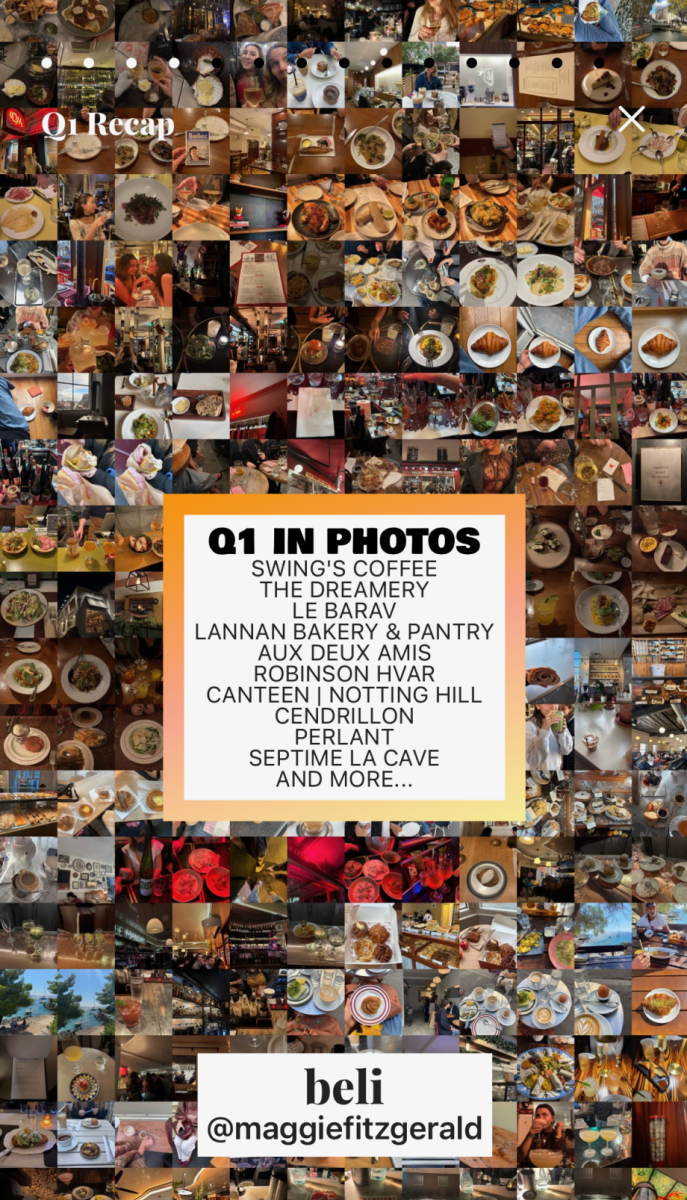
For those unfamiliar, Beli is essentially a running log of a person’s food decisions. Think part rating system, part personal food diary and part humble brag. It lets people track the restaurants they have been to, rate dishes, bookmark places they want to try, and, most importantly, see where their friends are eating. It’s less about playing Zagat critic and more about building an edible identity.
Beli feels like it was made for the indecisive but deeply opinionated student. It is less like an app and more like a quiet intervention for that all-too-familiar “I’m fine with anything” type. Instead of recycling the same half-hearted suggestions, people show up with options that they are genuinely excited about. One person knows exactly which place had the best late-night order. Another is pulling ideas straight from the saved list they have been curating for weeks.
What makes Beli interesting, though, is that it does not stop at solving the immediate problem. The appeal isn’t in simply picking a place. It’s in what starts to build over time. The more people use it, the more it turns into a personal archive.
There is a category for everything. People can add photos, the friends they were with, the type of occasion and so many other details that turn a basic meal into a story. A rushed lunch between classes looks different than an outdoor summer dinner they don’t want to end. Beli leaves room for that difference. They are not just rating the place. They are capturing the energy around it.
It also becomes very clear that one is a creature of habit. The same orders (and cuisines) show up more than you’d like to admit. They start to recognize your patterns in a way that is funny and slightly alarming. But instead of boxing one in, Beli does the opposite. Once you see how predictable you are, it’s easier to break out of it.
All the saved spots people swear they’ll get food from actually start to feel within reach. It might feel like a risk to stray from your go-to Chinese spot or the one order you know will never disappoint, but Beli gives people that little nudge to make a leap of faith.
Part of the appeal is how subtly competitive it becomes. People want to find that hole-in-the-wall before anyone else does, the one you can casually recommend later like it’s been your thing all along. They aren’t just trying a new spot. You are adding to your digital food-print.
The social side is the best part. Seeing one’s friends’ posts feels less like scrolling and more like getting a steady stream of ideas people can trust. It also makes everything feel a little more connected. A place is not just somewhere you went once, but somewhere hundreds of people have gathered at different times to share their love.
Everyone’s page is slightly different, with their own unique taste profile. Some people stick to what they know, others are always chasing something new.
In a world of constantly evolving palettes, it turns into carving out something that feels like their own.