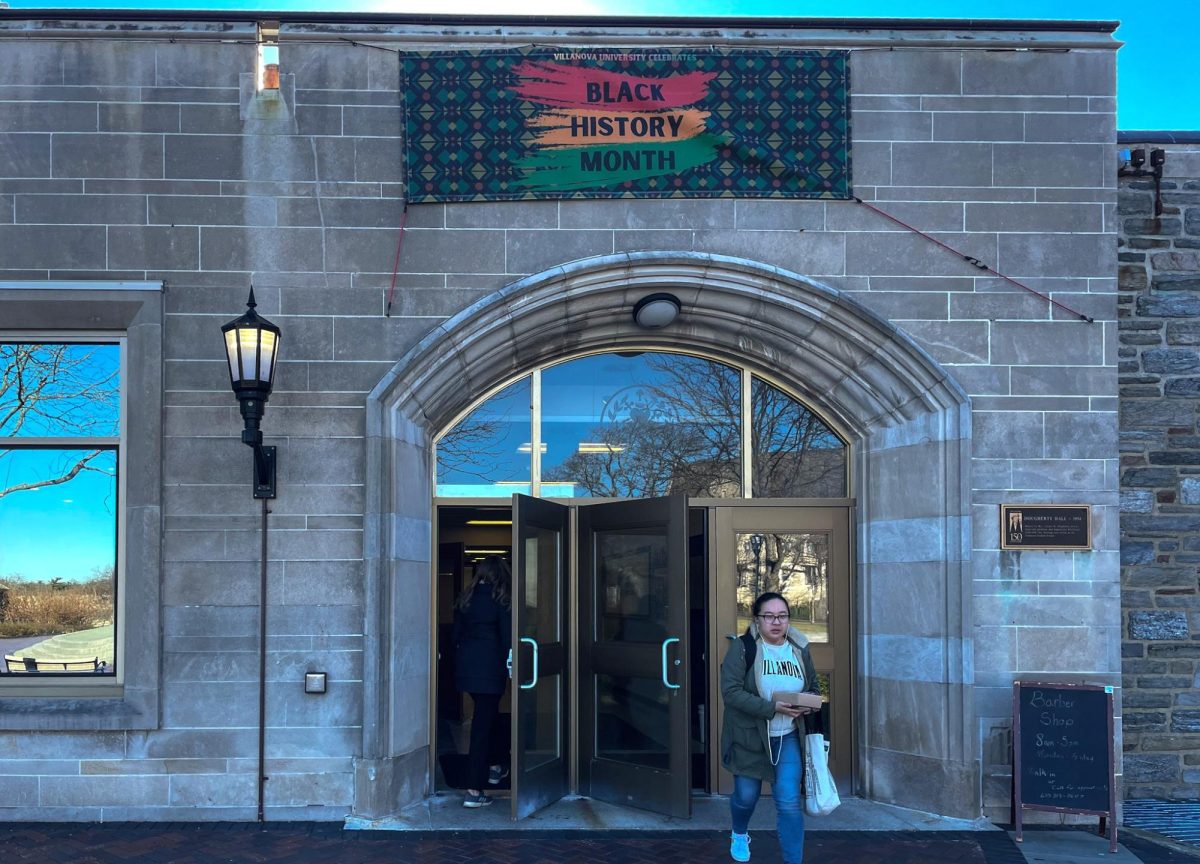
This February, the Villanova community, from students to the administration, is coming together to celebrate the 50th annual Black History Month. Dating back to 1976, every February has been established as Black History Month to showcase and celebrate Black voices, excellence and achievements both at Villanova and around the world.
“This month, Villanova will celebrate the contributions of African American and Black people within our community and throughout history,” the University said earlier this month, across its various social media platforms.
Every year, on-campus organizations such as the Black Student Union (BSU) and African Caribbean Villanovans (ACV) host different events and programming designed for Black History Month. This, along with the various events they put on all year long, includes speaker series events, panel and educational conversations, workshops, alumni showcases, film screenings and more.
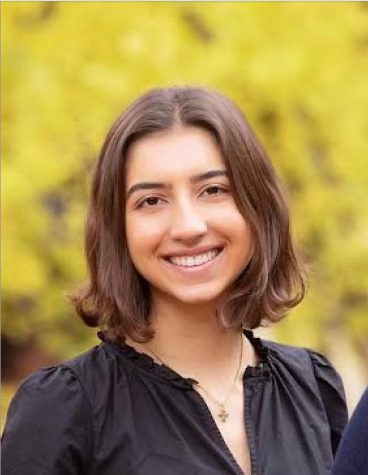
“Black History Month represents a time to reflect, celebrate and learn,” ACV Co-President Daniella Forson said. “For ACV, it’s about honoring the history and contributions of Black people while also recognizing the ongoing experiences of Black students today. It’s a reminder that Black history is not just something in the past. It continues to shape our present and future. This month gives us the opportunity to celebrate our culture while also having meaningful conversations about growth, identity, and representation.”
BSU, ACV and other organizations have a variety of events planned specifically for Black History Month, in addition to the programming they do all year long.
“This month, ACV has planned events that focus on culture, education, and community,” Forson said. “Our programming is meant to create spaces where students can engage with Black history and African and Caribbean culture in an intentional and welcoming way. Through collaborations, we hope to celebrate Black excellence while encouraging learning and dialogue across campus.”
This programming can spotlight organizations that some Villanovans may not have heard of before, like ACV.
“African Caribbean Villanovans (ACV) is a cultural organization that celebrates the identities, and experiences of students of African and Caribbean descent,” Forson said. “ACV is a space where students can build community, learn from one another, and feel supported, while also sharing our culture with the wider Villanova community. Through social events, cultural programs and conversations, ACV works to create connections and understanding both within and beyond our organization.”
The Black Student Union (BSU) is hosting several events throughout the month. On Monday, BSU kicked off the celebration with an opening ceremony at the Oreo. The goal of the event was to start the month as a community and honor the impact Black history has today. Tuesday saw BSU host an Unheard Histories panel in the Connelly Center Cinema. The panel was faculty-led, and the discussion highlighted underrepresented stories that shape Black legacy.
At 5:30 p.m. on Feb. 11 in the Connelly Center Cinema, BSU is hosting a Black Film Night. The film aims to educate, entertain and provide students with a space to engage with Black cinema. The Trap and Paint brunch will occur at 6 p.m. on Feb. 17 in the Corr Suite. The event will include music, painting, mocktails and brunch. To close out the month, BSU is hosting The Black Gatsby Gala at 7 p.m. on Feb. 22 in the Villanova Room.
While the University continues to promote the importance of Black History Month, there are still steps to be taken within the greater campus community.
“ACV appreciates the ways Villanova recognizes Black History Month and creates space for cultural events and conversations on campus,” Forson said. “These efforts are important and help bring the community together. At the same time, Black History Month is a chance to keep building and learning. Looking ahead, the University can continue to support diversity and inclusion by working closely with student organizations, listening to student experiences, and finding ways to celebrate and support different cultures throughout the year. Creating a welcoming campus is an ongoing process, and continued collaboration can help make that possible.”