
On July 1, 2025, the Villanova Athletic Department’s operations transformed, seemingly overnight.
Federal approval of the House v. NCAA settlement on June 8 legalized direct revenue sharing between universities and student-athletes. As a result, university athletic programs nationwide now have the ability to directly pay student athletes for their Name, Image and Likeness (NIL). At Villanova, the new Strategic Excellence Fund (VASE) will funnel donor contributions to programs and student-athletes.
University Vice President and Director of Athletics Eric Roedl spent the summer establishing his priorities in the wake of the House settlement and strategizing how to make the most of Villanova’s athletic revenue. While it is a concerning time for many coaches and players navigating the new system, Roedl sees a realm of new opportunity to build Villanova’s brand.
Roedl, who started at Villanova in January, had been preparing for the waves of change in the NCAA since he was in his previous role at the University of Oregon.
“There’s a lot more financial pressure on how we operate because of all the new permissible benefits that we can provide to student-athletes,” Roedl said in an interview with The Villanovan. “The challenge we have is that we’ve got a broad-based 24-sport program, and we don’t have unlimited resources, so we have to try to figure out what those levers are that we’re going to pull.”
The settlement’s impact extends beyond revenue sharing, as the NCAA no longer regulates athletic scholarships and instead limits roster sizes in specific sports. Most significantly, the settlement requires back-pay damages for former athletes who were unable to profit from NIL. According to the VASE website, Villanova will have a $500,000 per year reduction in NCAA revenues from 2016 to 2021.
Since 2021, NIL opportunities for Villanova student-athletes stemmed from its external collective, Friends of Nova, managed by former basketball player Randy Foye and current assistant coach Ashley Howard. The organization will continue to work with the Athletic Department, while its role has evolved.
“Friends of Nova has done a great job with community engagement and personal development opportunities for our student-athletes, whether it’s financial literacy or leadership development,” Roedl said. “They’re really like an NIL maximization partner. They’re still involved with a lot of donor cultivation and relationships that we have, and trying to help raise money for the University.”
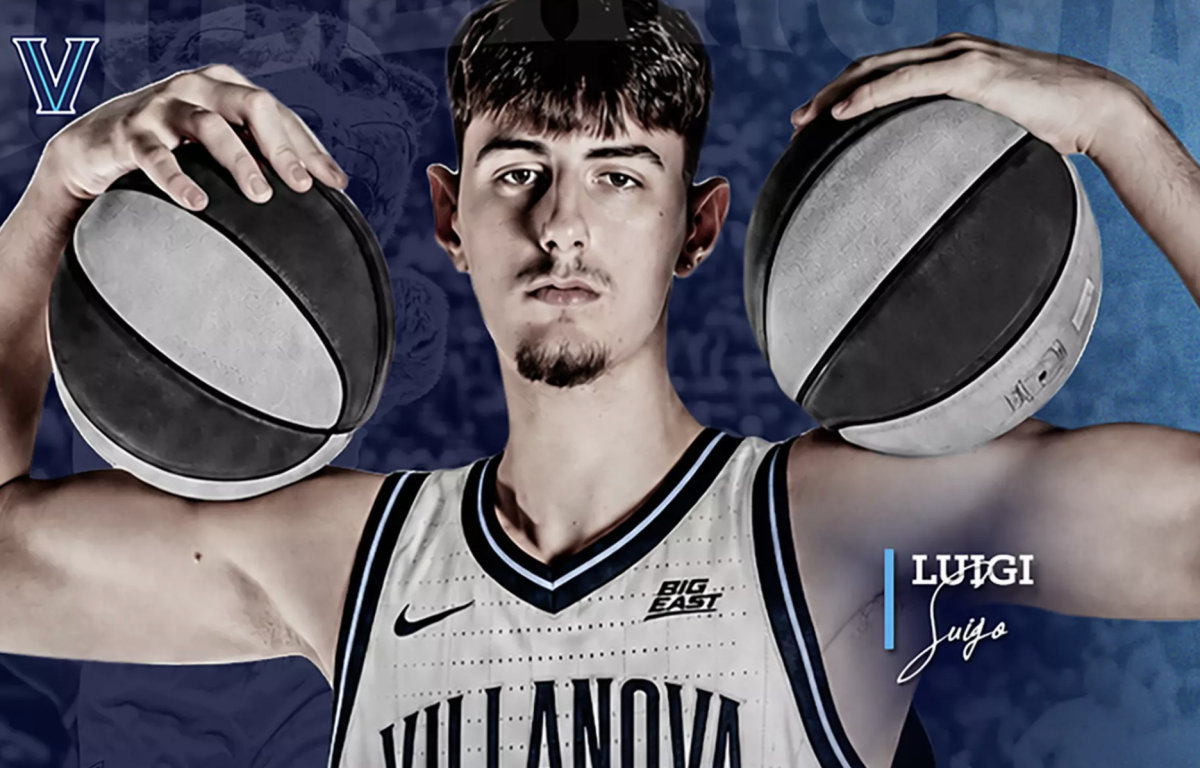
VASE, meanwhile, will primarily benefit Villanova’s highest-revenue programs: men’s and women’s basketball.
The University determines how to distribute its resources based on which athletic programs generate the most revenue and how much funding is required to ensure that Villanova can remain competitive when it comes to recruiting and retaining talented players.
Many of Villanova’s competitors must now split up to $20.5 million — the NCAA’s cap on revenue sharing — between large football and basketball programs. But according to Roedl, the University is in a unique position in which its Division-I Football Championship Subdivision (FCS) program does not demand the same level of funding as FBS programs. This allows Villanova to channel more of its resources toward basketball.
“Football is going to be a really big priority for us,” Roedl said. “There are not a lot of programs out there that are committed to winning championships in basketball that are also supporting FCS-level football at a high level.”
While basketball tends to dominate Villanova’s campus culture around athletics, Roedl sees Villanova’s football program as a major area of growth in terms of marketing and community engagement.
Bringing his experience from managing Oregon’s Big 10 football powerhouse, Roedl hopes to continue cultivating a game-day atmosphere that will galvanize students, alumni, and local fans alike. The Athletic Department’s efforts will surround the marketing and promotion of football games, in addition to improving the tailgate experience.
“I want students to wake up on a Saturday morning and know that [football] is a big part of what it means to be a Villanovan,” Roedl said. “We need to continue to do a better job of building excitement and energy around our football program.”
As Villanova competes with the most well-funded athletic programs in the country, Roedl is not concerned so much with falling behind as he is with getting ahead of the new demands that the House settlement places on top collegiate athletic departments.
“We’re going to be aggressive, proactive and bold with how we try to position our programs to be successful,” Roedl said. “You can see why Villanova is a national-caliber program that’s won national championships, because we’ve got great alignment here from the campus community.”