
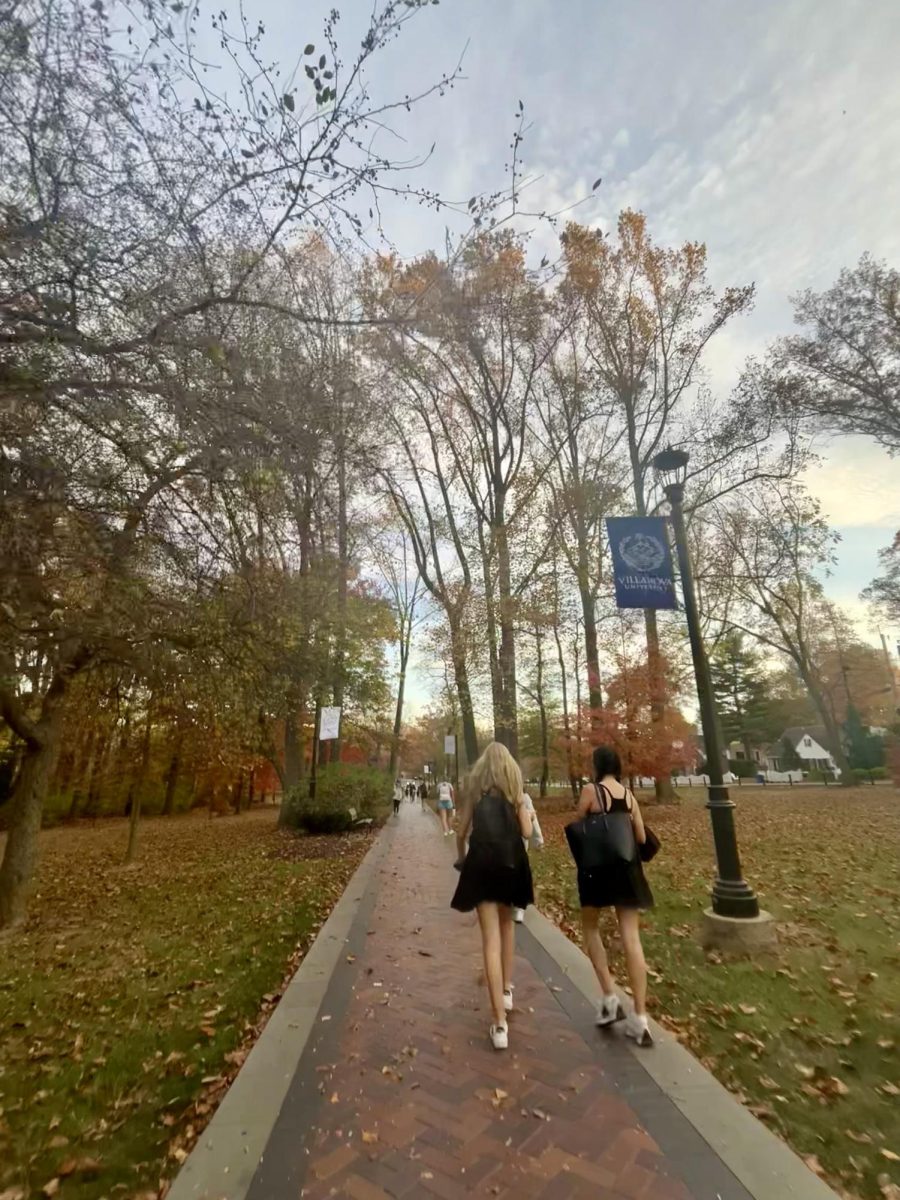
College students are exhausted. From schoolwork to the freezing cold weather falling upon Villanova, we are all ready for Thanksgiving Break. As fun as college is, just like anything, it can get overwhelming. However, our professors are missing the mark on our need for a few slow classes before finals come around the corner. I have exams upon exams along with dozens of projects and daily assignments. If anything, this is the most busy I have been all semester, but my professors don’t seem to be worried about burning students out. Professors need to be mindful of the work they are giving students in the days leading up to this break before final exams.
This exhaustion isn’t just about being “busy.” It’s about the way responsibilities stack on top of each other with little room for recovery. As students, we jump from early morning classes to group projects, labs, extracurricular commitments, part-time jobs and endless hours of studying. Most of us push ourselves because we care about our education and want to succeed. But it becomes difficult to stay motivated when every day feels like a sprint that never truly ends.
Professors, however, often seem disconnected from this reality. Many are continuing their courses at full speed, assigning lengthy readings, multi-step projects and high-stakes exams, all within the two weeks before Thanksgiving Break. Instead of easing students into a period of rest, these days have become some of the most academically intense of the semester.
For me, this is easily the busiest I have been all year. I have exams stacked upon exams, major projects due within days of each other and daily assignments that don’t let up. It feels as though every professor assumes their class is the only one on my schedule. And while I understand the value of academic rigor, there is a difference between challenging students and overwhelming them.
The burnout we’re experiencing isn’t imaginary. Research consistently shows that student stress peaks in November, often leading to sleep deprivation, increased anxiety and diminished academic performance. When students are mentally drained, they’re not learning, they’re surviving. That’s not the educational environment any of us, including professors, should want.
This is precisely why the days leading up to Thanksgiving Break should be a time for professors to be mindful, intentional and compassionate with their assignments. A reset before finals is not indulgent or lazy: it’s necessary. A short period of breathing room could help students enter the final stretch with clarity rather than collapse.
“What students need right now isn’t more pressure, it’s acknowledgment,” Michela Marchiano, a sophomore in VSB, said. “We’re trying our best, but when every class piles on major deadlines at the same time, it becomes impossible to keep up in a healthy way. A little compassion from professors in these final weeks wouldn’t lower academic standards. It would simply remind us that our well-being matters just as much as our grades.”
Acknowledging student burnout does not mean lowering academic standards. It means recognizing that learning does not happen in a vacuum. A tired, overwhelmed student cannot meaningfully absorb information, engage with class material or perform at their full potential. A rested, supported student can. Professors have more power than they may realize to influence the tone and pacing of this crucial period. Even small acts of consideration make an impact.
While students shoulder the majority of the stress, this is also a moment for the academic community to rethink traditions that no longer serve anyone. The pre-break push may have made sense years ago, but student life has changed. Expectations are higher, workloads are heavier, and the pressure to excel is stronger. Without intentional pacing, these weeks can become unsustainable.
Thanksgiving Break exists for a reason. It offers students a chance to rest, reconnect with family and regain some balance before heading into finals, a notoriously demanding period. But that break loses much of its value if students are so burnt out going into it that they spend half the time recovering rather than rejuvenating.
As we push through these last few days, one thing is clear: professors play a key role in shaping whether this season becomes manageable or overwhelming. Recognizing student exhaustion is not a sign of weakness, it is a commitment to education that values learning over excessive pressure.
College is demanding, but it doesn’t have to be defeating. A little mindfulness from professors could make all the difference as students strive not just to make it to break, but to make it through the semester with both their well-being and their motivation intact.


